
Adoption Matters More Than Sophistication — MEST Africa


 Apple Podcasts
 Spotify
 Castro
 RSS Feed
 The best system is not the most advanced one. It is the one your team will actually use.
Host Donna P. Mitchell goes inside the MEST Africa AI Startup Program in Accra, Ghana — where 30 entrepreneurs from 7 West African nations are building AI companies with fewer resources than most US enterprises spend on a single pilot.
Joined by Paul Crafer, Emily Fiagbedzi, Desmond Kwaku Coffie, and Chidinma Judith Akunwa this conversation challenges how executives think about adoption, talent, and where AI leadership is being built.
MEST alumni now work at Google, Microsoft, Meta, OpenAI, and Anthropic. Founded in 2008: 2,000+ entrepreneurs trained, 94+ companies funded, $30M deployed across 30+ countries.
TOPICS COVERED:
- Why adoption matters more than sophistication
- Africa's leapfrog history: mobile, mobile money, and now AI
- How MEST pivoted to AI-native product development
- Edge devices and small models: building AI without billion-dollar data centers
- Why women in technical roles must communicate their work as confidently as they build it
- What US C-suite leaders must understand about African AI talent
- How to get involved: mentorship, expertise, and MEST's call to action
(00:00) Welcome and Introduction (02:59) Paul Crafer: Why Africa, Why Now, Why MEST (06:49) Africa's Leapfrog History: Mobile, Mobile Money, and AI (08:24) Emily Fiagbedzi: The MEST Story — From Software to AI-Native (13:12) 30 Entrepreneurs, 7 ECOWAS States, One AI Cohort (16:58) Desmond Kwaku Coffie: From Chemical Engineering to AI Builder (20:24) The WhatsApp Solution: Adoption Over Sophistication (24:34) Chidinma Judith Akunwa: Women in Deep Technical Roles (29:14) Visibility and Communication: The Seat at the Table (32:12) Paul Crafer: What C-Suite Leaders Must Understand About African Talent (36:00) Edge Devices and Building AI Without Data Centers (40:47) MEST Before WhatsApp: The Saya Chat Story (42:11) Cross-Border Collaboration Across West Africa (45:31) How to Get Involved: Mentorship, Expertise, and MEST's Call to Action (49:05) Closing
About the Guests
Paul Crafer — VP Services EMEA, Assessed Intelligence | ForHumanity Fellow | 10+ years Apple Linkedin.com/in/paulcrafer
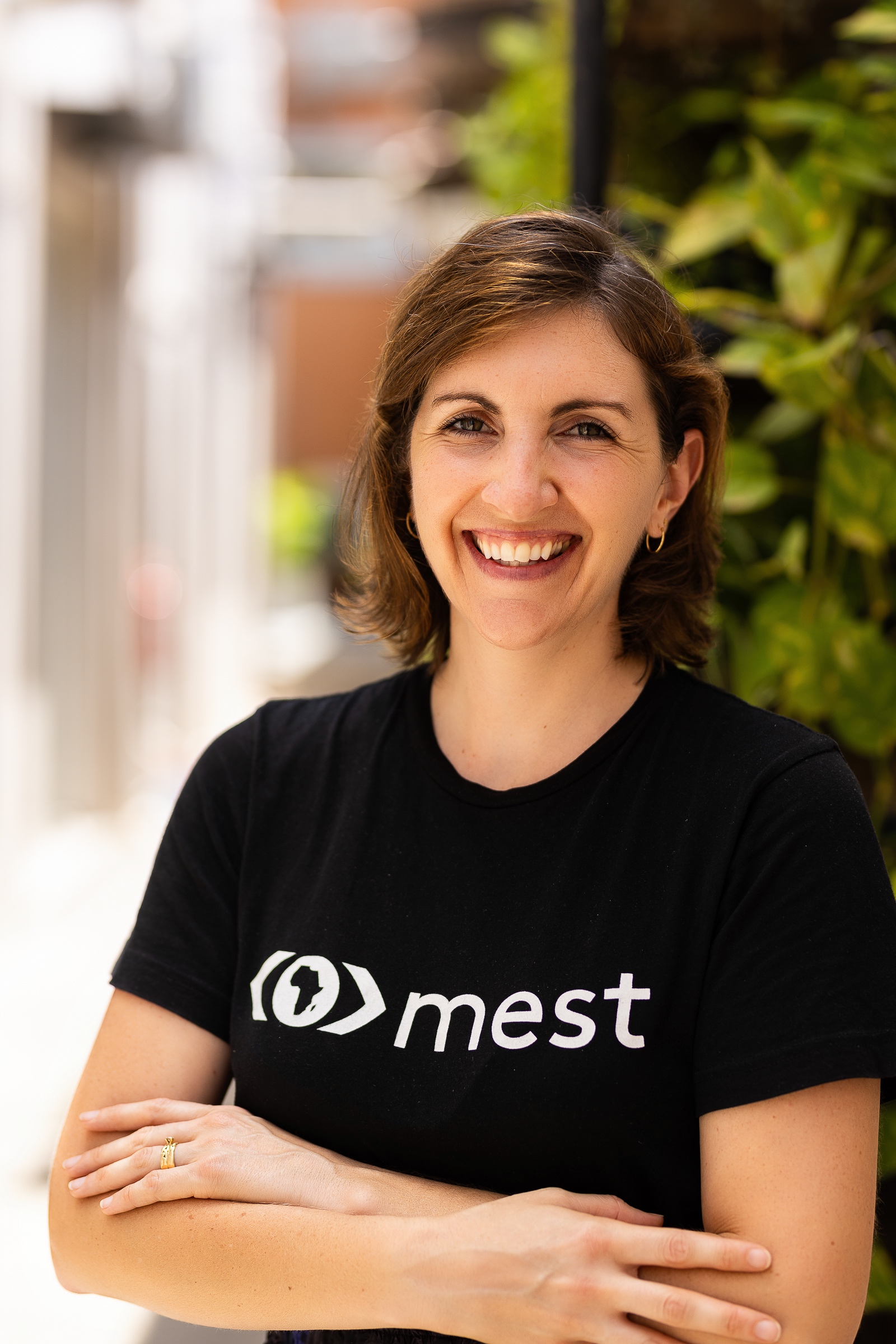
Emily Fiagbedzi — AI Startup Program Director, MEST Africa | Oxford Saïd Business School emily@meltwater.org | meltwater.org
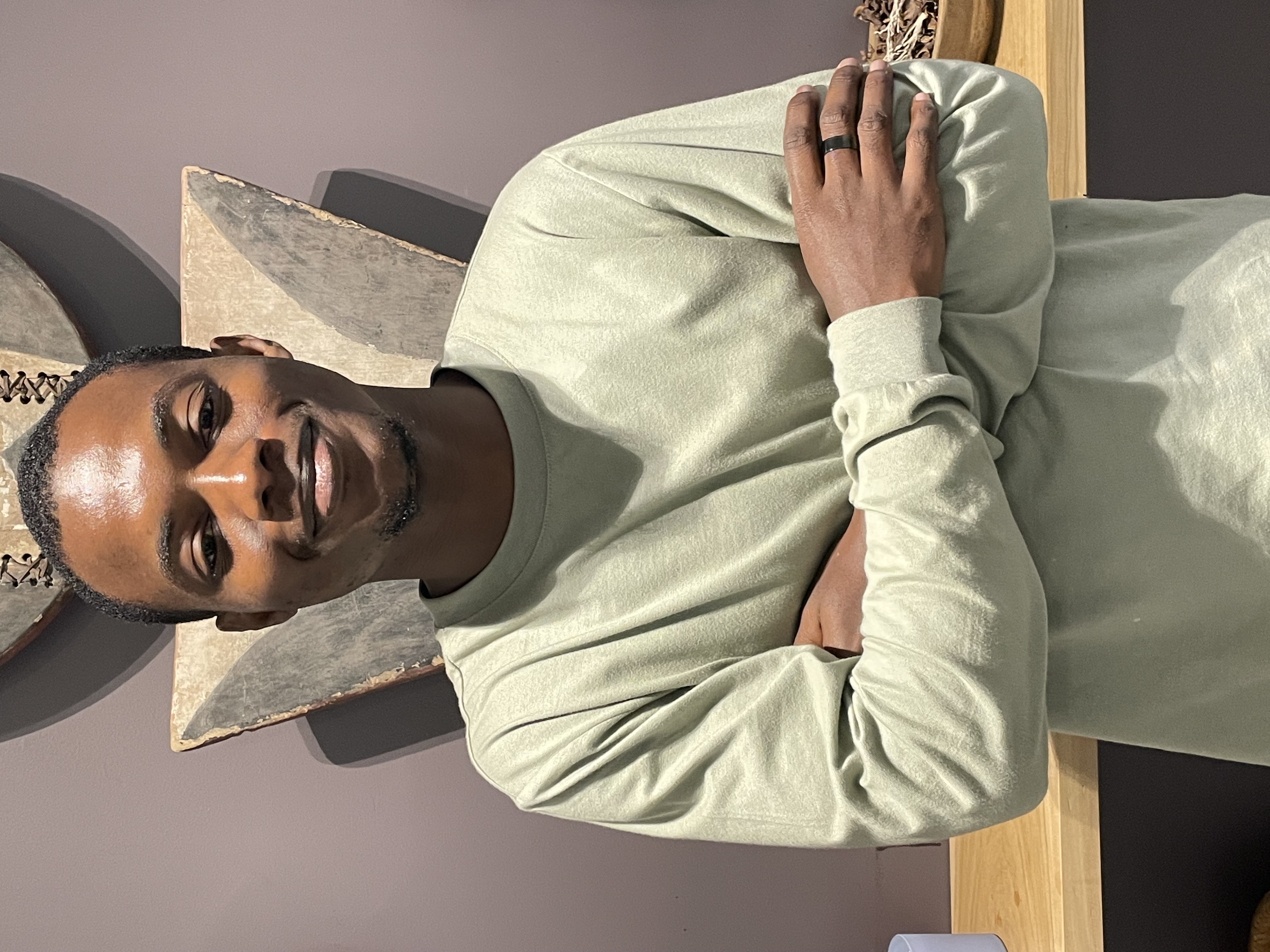
Desmond Kwaku Coffie — AI Entrepreneur-in-Training, MEST Africa | KNUST, Chemical Engineering
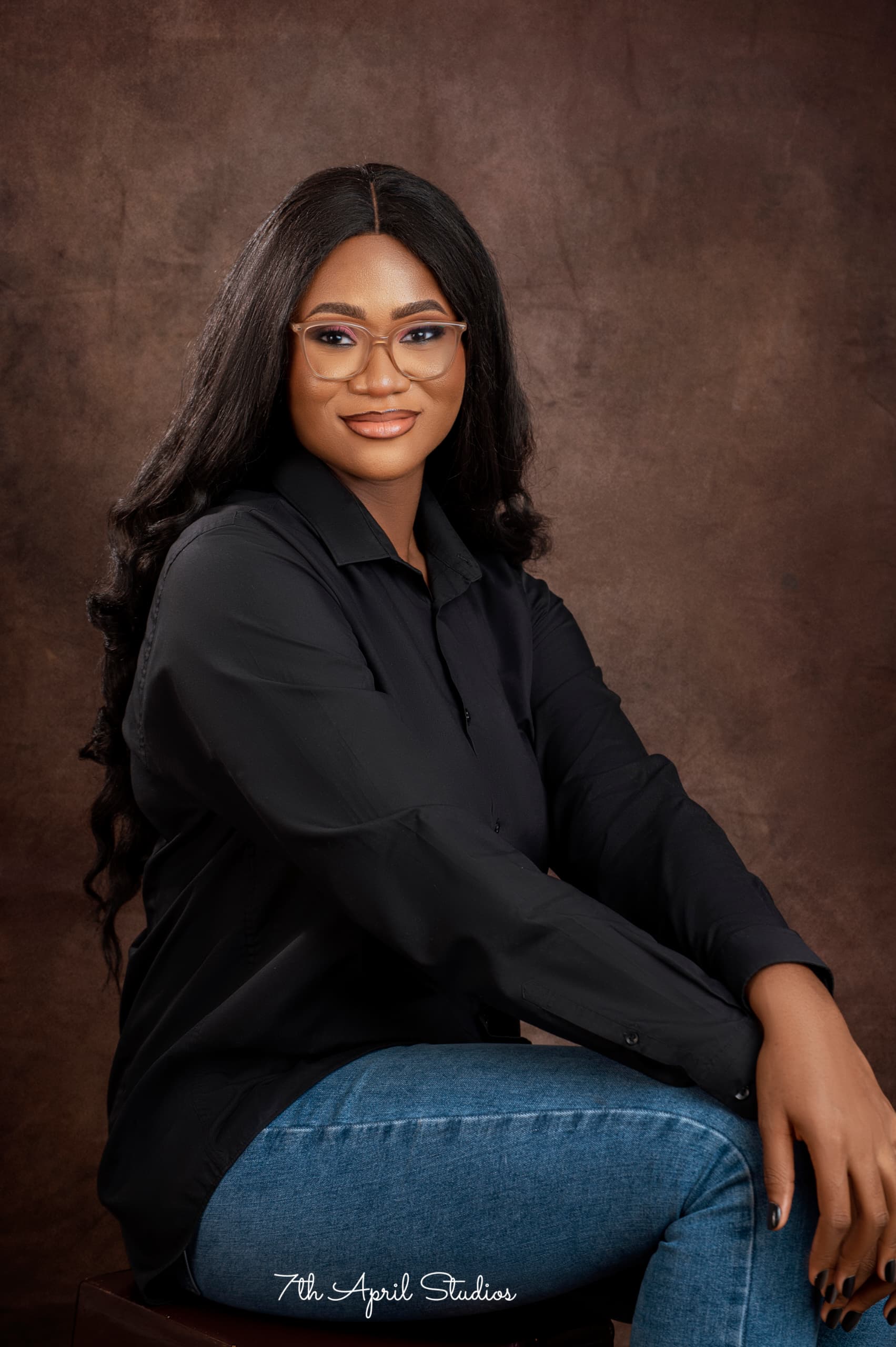
Chidinma Judith Akunwa — Entrepreneur-in-Training, MEST Africa | Computer Engineering, Nigeria
ABOUT DONNA P. MITCHELL: Founder of The Transformation Authority™ and CEO of Mitchell Universal Network, LLC. Official Member of Forbes Business Council. 48 years of Fortune 500 experience across 5 industries, enabling 150,000+ professionals.
RESOURCES: Enza Capital Newsletter: enzacapital.substack.com
GET THE BOOK: Pivoting to Technology Adoption: Mind the Gap amazon.com/dp/B0GP3CWH2H
LinkedIn: linkedin.com/in/donna-mitchell-a1700619 YouTube: @TheTransformationAuthority Website: pivotingportal.com Newsletter: transformationbrief.beehiiv.com/subscribe Speaking: pivotingportal.com/speaker
New episodes every Tuesday.
Official Member of Forbes Business Council
Donna P. Mitchell (0:00): Welcome to Pivoting to Technology Adoption. I'm your host, Donna P. Mitchell, the Transformation Authority. Every week, I sit down with executives, strategists, and innovators to tackle the one problem no one's solving. Why 70 of technology transformations fail.
Donna P. Mitchell (0:18): Let's pivot. Well, good morning, good afternoon, good evening. Welcome to Pivoting to Technology Adoption. And today I have a program that's totally different than what we've ever done before, and I'm excited about it. One of my old guests are here, new guests.
Donna P. Mitchell (1:05): He's been around quite bit because he's always giving and contributing to the audience. And he's now been here your third time that you're on the show, and you are bringing something special to pivoting to technology adoption today. Assessed Intelligence Paul Crafer. And you might remember Paul from a previous program, but at this time, I'm just gonna tell you that he is the Vice President of Services, EMEA, Assessed Intelligence, and also a fellow at AI Governance and Policy ForHumanity. Paul certifications is ISO IEC 42001, lead auditor in ISO IEC 27001.
Donna P. Mitchell (1:51): He has a lot of credentials for EU Act, GDPR, Cybersecurity ForHumanity, Certified Auditor for AAA Systems. I could go on and on, but I'm not. I'm gonna introduce Paul, and he's gonna tell you hello to our audience and yours and give us some additional insight on MEST and some of the guests that are here today. Because what I want you to focus on is not only Paul and who he is and what he's been doing, but his guests. They are from Africa and they think differently, they do things differently.
Donna P. Mitchell (2:25): And that's why I'm bringing this program to Technology Adoption Podcast. I think it's important for those of you that are out there in C-Suite, or even some of the dev or others that have a vision of moving AI or some of the technology and emerging technologies that we challenge ourselves differently than what we've been doing before, especially in The United States. This is an opportunity to challenge what we're doing and how we're doing it and look at what's happening in Accra Africa. Paul?
Paul Crafer (3:02): Thanks Donna, pleasure to be here as ever and thank you for that very warm and welcoming introduction. Yes, this is my third visit to your lovely studio and indeed today we have three really exciting people based in Accra at the moment at the MEST AI startup school. MEST is the Meltwater Entrepreneurial School of Technology and they very warmly and kindly invited me to come across to ACCRA to teach and I thought well since we're all here together, let's just sit down and have a conversation with Donna which is always a pleasure. You introduced me and people can find out about me and look me up in under my name Paul Crafer. Happy to connect to All and Sundry and start a conversation at any time about anything connected to AI governance, cyber security, data protection.
Paul Crafer (4:01): There's a lot of really exciting projects that we're working on across Ghana and Nigeria at the moment. But I'd like to focus back on what you said a moment ago which is your audience and just as a way of perhaps slight introduction as to what we're doing here today, You know the fields of Health Tech, Ed Tech and Fintech, which I know Donna you're particularly interested in Ed Tech and Health Tech, but these are key sectors for digital transformation all over the world but none more so than in Africa. Even the digital transformation policy from the African Union points out that those three plus agri tech are the key sectors that will be driving digital transformation and economic growth and the benefits to people on the African continent. And that's exactly what these entrepreneurs are working on. They're working on AI startups in those key sectors and I think it's going be really interesting to hear from them.
Paul Crafer (5:07): In the MEST parlance they are called EITs which stands for entrepreneurs in training which I think is a lovely way of describing them which is exactly what they are and they're not new to AI. I've met and taught them now for two weeks, I have my third session tomorrow and they've all been around the block. They know exactly what they're doing with AI, they're now just lifting that knowledge up into an area where they can start to incubate their ideas and then work towards pitching for seed money. This is not a thought exercise, this is a very practical course which takes them from ideation to incubation and then to validation through venture capital money and anybody that knows the Meltwater organisation will know that they're a very successful organisation in themselves. So, I think, you know, if we're going to zero in on where the biggest issues are that are ready for solutions, they're in those sectors I mentioned and your audience works within those industries or has networks within those sectors and these fields are going to be very important in the future for AI companies all over the world.
Paul Crafer (6:24): So I think that's why it's so important to bring the experiences of these entrepreneurs in training to the fore and let them share what it is they're working on, how they're thinking about using AI from an African continental perspective and some of the differences as well because you know on the continent there is a kind of a technological leapfrog that Africa often does and they've done it twice that I can speak of. The one was mobile penetration where they went basically straight to mobile penetration and I know Emily shared this with me and we had a discussion about it before. Don't see many landlines in Africa right. I go back to Spain where I live and there's landlines everywhere and nobody uses them and they look a MESTs but you don't see many landlines in Africa because they went straight to mobile and then they didn't just stop there they went straight to mobile money. And there were things that you can do through a mobile money account in Africa that you couldn't do up to a few years ago in Europe and The US.
Paul Crafer (7:28): So there is that technological leapfrogging that Africa have the capacity and the capability to do driven by a very young dynamic smart upwardly mobile young population. I don't want to steal any more thunder from the MEST team sitting there, so I'm going to pause now and just let you carry on with them. But I think that kind of sets a bit of context for why we're sitting here today. Happy to lean in and speak a little bit more as we go on. Thanks Donna.
Donna P. Mitchell (8:02): Well I really appreciate the input and I'd like to go ahead and continue with Emily. Now Emily Faigbedzi is the startup program director and she's going to give us some insight on MEST, how it's come to be, what she's doing, the main impact with AI and everything that's happening there. Emily?
Emily Faigbedzi (8:23): Well, thank you so much, Donna. Pleasure to be with you today, and thank you, Paul, for that great introduction and context as well. So I run MEST AI startup program, which was previously called the MEST training program. We started in 2008 with the premise that talent is everywhere, but opportunity isn't equally distributed. So the goal of MEST at the time when Meltwater Entrepreneurial School of Technology was to bring the opportunity of software development to young adults on on the continent of Africa and specifically in Ghana at first.
Emily Faigbedzi (9:06): And the reason for software was because it's a low barrier to entry, right? If you have a laptop, you could start a business from your computer. Whereas like hardware or maybe traditional brick and mortar businesses required a lot of expensive inputs, inventory, different things that might be needed to start a business. Also, our founder, Jorn Lissigan, who's also the founder of Meltwater, was a serial software entrepreneur. He still is.
Emily Faigbedzi (9:34): And he's, you know, still starting businesses to date. And he believed that there was incredible talent in Africa and in Ghana specifically. So we started in 2008. It was actually a two year program at the time because software development was a new field. It was emerging.
Emily Faigbedzi (9:56): It was still dial up internet at the time and very quickly we saw that Ghana adopted and advanced in software development very quickly. So by 2014, we shifted to a one year program because our participants coming in the program already had great foundational software development knowledge. And we started to also then at that point expand across the continent. And how our program works is it's not just learning how to code or learning how to do software development, but it's a software entrepreneurship training program. So how do you take your software development skills, further them, and then build a business that creates jobs and wealth on the continent of Africa?
Emily Faigbedzi (10:44): And so in this case, after we continue to advance in the ecosystem in Ghana and across the continent, we realized that for over ten years now, our entrepreneurs in training have been building AI solutions. It's actually not a new thing for us. And we realized that if AI was not fundamental to the products that they were building in the past few years, they became obsolete pretty quickly. So in 2024, we made a shift and we went all in and said, you know, we're gonna fully commit to AI software development. And now all our entrepreneurs in the program are building AI first software.
Emily Faigbedzi (11:31): And let me just explain quickly before I pass it back to you Donna how it works. They come for an up to twelve month experience. Their first seven months is training heavy in the areas of software development, technology, business, and then design product design. They're learning from experts like Paul for those seven months and while they're learning, they're applying that learning directly to building AI software products that they're testing out in the market. They're deciding is this a product I actually want to create and they're working in teams and sometiMEST these teams are made up of team members who are from different countries on the continent.
Emily Faigbedzi (12:19): So incredibly diverse teams of anywhere from two to five individuals, maybe from several different countries, building software products. After seven months of training and testing, they pitch for incubation. Then they have an opportunity to take their product to market in our incubation program for four months. And after those four months, then they have a chance to pitch for investment into their businesses to then go and run a fully fledged company. And whether or not they get the investment from MAST, our hope is that they go out and run these businesses, they create employment, they create jobs, and in turn create wealth for themselves, their communities, their employees, and and the continent as a whole.
Emily Faigbedzi (13:09): So
Donna P. Mitchell (13:10): when you say the continent, I think I remember reading that there's about 30 entrepreneurs, and are there about seven states? Is Lagos, Nigeria involved in this? What other countries are included specifically?
Emily Faigbedzi (13:25): Yes, so in the history of MUST, we have recruited across the continent. So we've had up to 22 different countries represented in our cohorts. Currently, because we were iterating on our model and going all in on AI, we went with 30 entrepreneurs in training this year and our focus was West Africa. So in our cohort, have seven different West African countries represented. Nigeria is one, and Ghana, we have Senegal, we have Sierra Leone, we have Benin, and we have Togo.
Donna P. Mitchell (14:03): That's really that's really, really exciting. So when you mentioned you went all in, the entrepreneurs that are with you now and those that have come through the program, have they been really successful? Do you have a percentage of success or how has that really from the beginning to end really impacted their businesses or the states, the cities that they come from. Has there been international pickup or collaborations? How does that work with businesses in either EU or The United States?
Donna P. Mitchell (14:42): Do they have those opportunities available to them? Could you give a little bit more insight for those that are listening on that side of the coin of venture capital? I know a few people that are listening that are venture capitalists, so I like to cover that off.
Emily Faigbedzi (14:56): Yes. And so I'd be happy to talk about that. So we and in our history of our training program, we've invested in over 90 businesses. And right now, have about 45 of them actively still running. And this is from 2008 and some of them are investments we made in 2008.
Emily Faigbedzi (15:17): So we do have successful businesses. We've had several exits. We've We've gotten international press. I think for us as an organization and as an alumni community, we often measure our success a little differently. So we get a lot of questions of how many exits, how much, you know, rounds of funding have been raised and we have all those answers and they're actually on our website in our portfolio booklet.
Emily Faigbedzi (15:47): We've raised, you know, our entrepreneurs have gone on to raise several different rounds of funding. But for us, the impact is really the personal impact on the entrepreneurs that go through our training. How they grow and develop and then the impact that they exert on others. So absolutely, we have the investment and the revenue targets and we have the success. Our entrepreneurs are known in the tech ecosystem in Ghana to be top notch.
Emily Faigbedzi (16:18): When we do investment decisions at the end of our program, we have employers coming to us to be like who didn't get investment? Who can we hire from your program? Because the tech talent is there and they also throughout our program are building themselves as holistic professionals, holistic entrepreneurs. They're learning leadership skills, they're learning communication skills. And so absolutely we have quite a number of success stories to point to, but we also measure success, in personal impact as well.
Donna P. Mitchell (16:56): Well, thank you so much. So, Desmond, Desmond Kwaku Koffi, And Desmond is a full stack developer turned AI builder. Chemical engineering is his background. And with that said, he's also been there and he has a very unique positioning. He did some development that I was attracted to.
Donna P. Mitchell (17:22): I'm just gonna go and say, you got WhatsApp involved. And when I read that, I was like, I need to talk to him. So give us some insight on what you do, how you do it, and how did you end up at MEST and some of the benefits. Tell us about yourself. Tell us what we need to know that really shines the light in the impact of MEST and what you're bringing to the table and your impact on MEST as well in your community.
Desmond Kwaku Coffie (17:50): So I'm very small, first of all, as you said. I'm a full stack developer, so I'm involved in building solutions for most of the small and medium scale enterprise in Ghana specifically. I got into MEST through referral from colleagues, and even before entering MEST AI setup program, I had already been in a previous partner program MEST was offering with Mastercard called the Grow program. So it a program for Ghana remote online workers. So I got into this program, I got experience into web development, full stack web development.
Desmond Kwaku Coffie (18:26): So through that I honed my skills, learned how to build products, and enter the market. It was through this that I built a solution we are really interested about. So
Donna P. Mitchell (18:38): so how did you I I guess I really want how did you know that it would be best to use a edge device? How did you know to bring it into something that people were already comfortable with? Like WhatsApp. Everybody's, you know, using CRMs and, you know, go high level and and and and and so stumbling other areas and doing other things and not getting the adoption. Where you thought of something comfortable, something that people were already using.
Donna P. Mitchell (19:12): Tell me how that happened in your head or tell us how that happened. Is it because you had less constraints? Because what I'm looking at is I'm looking at an individual who has less constraints, coMEST from a totally different environment, but different access. And then you have a community, a population, a country that is supposed to be sophisticated, has a lot of resources and access and struggling and losing money, millions and billions. And then I have you all over here being successful, leapfrogging, being young, talented with a super ecosystem and being successful.
Donna P. Mitchell (20:01): The most important thing is the adoption that people use the technology. And you thought of something I don't think anybody would have thought of over here. We're using WhatsApp totally differently. So how did that happen? Can you share just a little bit?
Donna P. Mitchell (20:13): Just a little bit? Tell us your secret. Tell us a little bit. How did you pivot to do that? I wanna know how you did.
Donna P. Mitchell (20:20): How are
Donna P. Mitchell (20:21): you pivoting over there?
Desmond Kwaku Coffie (20:24): So first of realized that WhatsApp is quite popular in Ghana, in the Ghanaian space. I think almost every smartphone user in Ghana uses WhatsApp. So I was working for this person, and I realized she used to post her business mostly on her WhatsApp status. So every day, she has multiple products. There are days she has to if she has a new stock, over 50 bulla, she has to post all on her story.
Desmond Kwaku Coffie (20:51): Within twenty four hours, it goes again. She has to post it again, and countless all that coMEST in, she doesn't really know how to manage it. So ideally, it would have been a CRM where she checks the status of her orders and the rest back. This person was also not really into that. So she wanted a solution where the customers or clients can easily see her products make the purchase so that she gets notified of the order so that she can just prepare and send to the people easily so thinking of that realize that okay what if we can just create a mini e commerce platform that looks like an order form so you go her products are listed so you just click on the product you enter your details then you place the order she gets a ping on her whatsapp that oh this is the order coming in the person has already paid blah blah then she just goes ahead packages it and just sends the order back to their person so that takes away the friction of she having to post the intent on her story having customers who because first of all, what's that you need to to have the contact of people so you don't have the contact of people they are not going to see so right now with the website she was reaching out to more people who actually see her products place the order for her to receive then just instantly she it just take away the stress of me she going all out of maybe amassing more numbers on her WhatsApp just for her products to reach a broader audience so that was how I came up with a solution.
Desmond Kwaku Coffie (22:16): That's an outstanding solution. I'm sure you have a few others,
Donna P. Mitchell (22:20): but I don't wanna take all the time right now. I know you all have limited time in a schedule. So I do wanna ask you, is there anything that you wanna share right now that you're building that we don't know about? But we that is there a secret or something that you you hiding that we need to know about that you didn't win yet?
Desmond Kwaku Coffie (22:40): Yeah. So currently,
Desmond Kwaku Coffie (22:43): I'm with a team of two Senegalese colleagues. We realized there's rampant flats in Senegal and some of the effects on its insurance companies were actually were one of the most impacted people with the flats because they take premiums over years and they have to pay out claims to these customers. So we realized that what if we could use AI and to predict flat rates of properties. So let's say if you go to an insurance company, they say that or maybe this is my building, I want it to be insured, insurance the company should be able to have a flood risk assessment of your property so that in case the event of flood occurs you already has a fair idea of what their particular address represents so that's what I'm currently working on my team. They are actually combining a lot of data, historical data patterns, satellite data and if we have professors in the flood space actually also verifying what we are doing.
Desmond Kwaku Coffie (23:49): So we are trying to build a model that is very solid that can help insurance companies sell their clients with in Senegal.
Donna P. Mitchell (23:58): Well, thank you so much. We might have to come back and talk about that, especially with the insurance business. So let me move on to Dima Akunwa. Please introduce yourself with the name pronunciation appropriately.
Chidima Judith Akunwa (24:15): Okay. So my name is Chidima Judith Akunwa.
Donna P. Mitchell (24:20): So you can go ahead and just tell us your background. How did you end up with MEST? And you've got some really interesting insight with women. And I I wanted to cover off on that and just who you are and basically, what are you working on?
Chidima Judith Akunwa (24:34): Okay. So background story on me with regards to technology. I feel like I've always been interested in technology ever since I was small. I've always been fascinated by computers, by electronics. And so, oh, went everybody was saying, go be a doctor, go be a nurse.
Chidima Judith Akunwa (24:54): I was like, nah, I'm going to study computer engineering. And so that's what I studied in the university for five years. But then with African universities, there's always the they're not really giving you the desired value, I would put it like that, that you need from a course like computer engineering. It's supposed to be practical and most of the things were theoretical. And so at some point, I think this was during 2020, that should be COVID here, I decided oh instead of wasting my one year just scrolling through TikTok or Instagram and keeping myself doom scrolling, I decided okay let me actually learn how to quote.
Chidima Judith Akunwa (25:38): And so I think that year, I started learning how to code your basic HTML, CSS, JavaScript. And from there, I just fell in love with the idea of coding and the idea of building things from scratch. And I know most tiMEST people will be like, oh, females in tech, they're usually the PMs, they're usually the designers. Why are you doing back end? That's a man's role.
Chidima Judith Akunwa (26:03): And I'm like, that's actually where I feel comfortable in because it's allowing me to create new things. And there's always this joy when you finally solve that problem. And then you're like, yes, I'm the one that did that. So that has just been a journey. And from there, I've built a lot of startups.
Chidima Judith Akunwa (26:29): One is still currently running. I think another one I've tried to explore, which is, like, in the education space, which is basically, like, a dual lingo but for African languages. So that's, like, ed tech.
Chidima Judith Akunwa (26:41): And then
Chidima Judith Akunwa (26:43): I think tragedy struck and my mom died. So I fell into like this whole grief stage. And then I had an idea to build like an AI that could preserve her memory, preserve her image and stuff. And yeah, that can basically like be checking on me like my mom checks on me. And I think at that point is when I now saw the MEST advertisement and I was like oh an AI startup program is this a sign?
Chidima Judith Akunwa (27:15): I'm thinking AI, I'm seeing AI on my feed, maybe I should just apply right? And so I had a lot of doubts when applying because I was like, oh, would I be able to get there? Should I go? Because there's like stages in the interview. So you do the online interview.
Chidima Judith Akunwa (27:34): After the online interview, you do the physical interview at a physical location where you have to go to. And this was far from my house, and I was wondering, should I really use that transport to go to Lagos to do this interview? I should just rest. But something just keep telling telling me. Even my friends were like, just give it a try.
Chidima Judith Akunwa (27:56): You don't know if you don't try. And I was like, okay, let me just do it. And I did it. The interview is in stages. You go through the first stage.
Chidima Judith Akunwa (28:06): After the first stage, they tell people to go home. Fortunately, was not part of the people that went home, and I was like, okay, maybe I actually have something to offer here. And after the whole interview, I just kept praying that, okay, would I get let me get in. Let me get in. And then the day I saw the email that you have been accepted to me, I screamed the whole house down.
Chidima Judith Akunwa (28:30): I just kept shouting and shouting and shouting. Coming here has been very, very I I do not regret any decision I made because it has been insightful. It has been it has opened me up to a whole new world of technology, of networking, of people, and I feel that is that is a really great thing that people need to know. And that's why I said in my insight that talents, you might have the technical confidence, but are you ready to put yourself out there? Are you ready to come out of your shell?
Chidima Judith Akunwa (29:16): Because nobody is going to find you if you keep staying in corners where they cannot find you. So it's unless you put yourself out there, it's unless you decide to do the things that you don't generally do, that is when people will actually see you and people can actually appreciate that technical competence that you have. If not, if you stay hidden, nobody's going to find you.
Donna P. Mitchell (29:41): Well, think it's an excellent decision that you made on the back end for code because there's a lot of programs that they're looking for women here in The United States in regards to coding in in the back end. I think the back end is just as important as the front and even more important with the resources that you have available and the alumni and basically MEST and the opportunities that are afforded to you, I really think that was a wise decision. It's always good to be unique and have that moat around you that makes you different and makes you unique. And to step out there, it takes a lot. It really does.
Donna P. Mitchell (30:19): Like I told you, I was scared to death to do a podcast. I didn't know what it was. Okay? I'm a speaker and a trainer. I've done that for many, many decades.
Donna P. Mitchell (30:26): But to actually put it on video, I'm really glad to see you and meet everyone. So this is what I'd like to do is come back to Paul. Paul, you're there in ACRA and there are other programs. What makes MEST so unique? Why did you end up getting involved with MEST?
Donna P. Mitchell (30:48): And what should listeners take away from the conversation today? Or what is it that we didn't speak about that needs to be communicated to the audience in the direction MEST is going in the future?
Paul Crafer (31:07): Sure. Sure. Yeah. Good. Good point Donna.
Paul Crafer (31:10): Okay so bottom line up front I'm going to start at the end of what you asked me to talk about and talk about that front first bottom line up front is that for c suite senior executives business owners founders watching this video from other parts of the world and I know you just mentioned it a minute ago that you know there is a demand for coders all over the world especially women in the in the business But the C suite watching this now don't expect and don't wait for people to come out of Africa to work for you. You need to come to Africa and support them here. The National AI Strategy that was just launched on Friday here in Accra by the Ministry of Communications, by the President who unveiled the strategy and launched it. There's a very key part within one of the pillars that talks about talent which is that the office of the diaspora here in the government is going to bring the people back to Africa to work on these two projects. It's not about supporting a brain drain anymore.
Paul Crafer (32:20): So you know Google are here, Microsoft are here, naturally. Other businesses can come to Africa, open your centers of excellence, open your AI centers, your development centers, and the talent is here ready for you. So don't be thinking you know okay I'm going need to attract people to leave Africa, need to go there and I need to recruit by being there, building these types of projects in place. That's really important, I'd say that's bottom line up front. There are numerous skills program MEST right around Africa.
Paul Crafer (32:52): If I try and stay on brand for Ghana, I'm going to quote the Digital Youth Village, which has been set up by the Ministry of Communications and the University of Ghana here in Accra. I know that Desmond is a graduate of KNUST, which is probably one of the most prestigious universities. It's a couple of hours, maybe four hours away from here. They have a science and technology department there faculty, which is very, very well known. There's also the Smart Africa Digital Academy set up by INGO Smart Africa.
Paul Crafer (33:27): So MEST is not necessarily a standout from the perspective that it offers a skill programme but what I would argue is that what they have achieved with their startup school starting with software and now developing into AI and have done so consistently that needs to be put into perspective because their alumni are incredible You look at some of the companies that have come out of the startup school, mean they're just really really incredible. I know that one of the transformation leads here in Ghana for the United Nations Development Programme, he's ex MEST, the CEO of Anchor, the financial services company, he's XMEST and Anchor was adopted by Y Combinator and is growing all the time. So these are you know really high class fintech and AI driven organizations and it's that ecosystem that has been built by MEST which is what sets the businesses apart and sets the entrepreneurs apart. And I think that's really important to consider. It's not just about rolling out a skills program and hoping that people go out and use it, it's really about building that network, that sense of belonging.
Paul Crafer (34:40): When I said to the digital transformation lead just recently I met him at the event on Friday and I said oh I didn't realize you were x MEST His face lit up because he really identifies with MEST and he's now you know leading teams at the United Nations Development Programme but he still very much identifies with being at MEST. So, know, as these entrepreneurs transition into becoming external experts, as they transition into becoming business owners, as they go through the incubation stage, they hit graduation, they then get into investment opportunity. MEST is really kind of helping them to build this talent and build this muscle of entrepreneurialism and think it really redefines what it means to harness the talent on the continent rather than just rolling out a skills program. Don't get me wrong there's a million coders program, there's a 3,000,000 training program in Nigeria as well and those are really really important but what MEST does is it takes young smart talented people and then makes them entrepreneurs within a network where they feel like they belong and then they feel that they can be successful and I think that's really really important.
Donna P. Mitchell (35:53): Well thank you so much. I have another question I'm not sure who wants to answer this But I there's so much going on with data centers over here. And it seems like over there, there's a lot going on with edge devices. And there's benefits to utilizing edge devices. Can you provide some insight for those of us who don't really understand how the edge devices have become such a benefit instead of data centers?
Donna P. Mitchell (36:26): Does that make sense?
Emily Faigbedzi (36:27): Yes, I can start and if you do want to add anything.
Donna P. Mitchell (36:31): Just really kind of curious about that. Yes.
Emily Faigbedzi (36:35): So I'm glad you brought this up, Donna, because actually there's an investment firm called Enza Capital. They're out of Nairobi, Kenya. They just put out an excellent bit of research about why the way Africa is doing AI will actually be the future for the world. And what they demonstrated in their series, and I'll send you a link after in case your listeners would like to read it, is that obviously right now in the global economy, we see there are struggles, right? And this idea of always having lots of resources, lots of energy, lots of access to be available at, you know, at the depth that it is right now is not always going to be a reality or may not always be a reality.
Emily Faigbedzi (37:37): And the fact that in Ghana and throughout the Continent Of Africa, we are working on a lower or should I say lower tier infrastructure, less access to energy, less access to particular resources, and therefore are learning how to run AI models, how to build companies, how to create technology that works in lower resourced settings. And that is the future, right? Is access. You don't need giant data centers everywhere. I mean, that's a huge gap for the continent and it's something that is constantly being discussed.
Emily Faigbedzi (38:26): But they're also finding ways to operate without large infrastructure. And those creative mechanisms, those creative ways and business models are the way that the continent has leapfrogged, as Paul had mentioned. And so I think there's a lot of potential. I'll hand it to Desmond. I feel him itching to come in and so open to you Desmond.
Emily Faigbedzi (38:50): He certainly has lots of experience to talk in this space.
Donna P. Mitchell (38:53): Okay Desmond, I want to hear all the experience because we got inquiring minds over here. We know what is the edge device? Why is it important?
Emily Faigbedzi (39:02): Yes. So I think I think we might call it something different. When you say edge device, Donna.
Donna P. Mitchell (39:14): It's a Yeah.
Desmond Kwaku Coffie (39:15): Oh, okay. Okay.
Donna P. Mitchell (39:16): Like a I wanted to confirm that
Donna P. Mitchell(39:18): Like a mobile phone.
Emily Faigbedzi (39:19): Yes. We call it so they call it a Yam phone. It's like, Yam, like the Yes.
Donna P. Mitchell (39:25): I guess whatever ends up in the customer's hands, that's a edge device is what I'm learning. This is a new term. It's like a glassware. Yeah. It's like anything that can end up on a client's hand is in their hand.
Donna P. Mitchell (39:38): That is what we're doing.
Donna P. Mitchell (39:40): Yes yes yes yes go
Donna P. Mitchell (39:42): ahead so yeah I just wanted a bit of clarity in that area so
Donna P. Mitchell (39:45): that's okay
Desmond Kwaku Coffie (39:46): so one of the Africa we should I say we always have a version of maybe something grandiose so that's how Africa operates so let's say take banking for instance we the banking scale the technology and the tech involved is a bit of a home from a certain degree so with Africa we just look at these mobile phones for example I can invest in my bank account, can create a bank just by dialing short codes on my HMOs as you call it so that's how Africa is doing. This is the way because there is the same outcome by different means that is based on what we have available, you understand, so we might not build in the giant data center with energy everything flowing through massively but we are just within an Africanized machine that solves the same problem with access, speed and traffic ease and comfort around the same time so that's how we normally do some of these things.
Emily Faigbedzi (40:47): Donna, if I can give an example. So MEST, several years ago, before WhatsApp existed, we had an entrepreneur at MEST who created something called SEA Chat, which was WhatsApp for feature phones or edge devices. And it was the first African company that ever pitched at Tech Disrupt, which is one of the largest tech conferences. And lots of tech investors will know what it is. And they were the WhatsApp before there was WhatsApp.
Emily Faigbedzi (41:24): So I think it's understanding I think our entrepreneurs have a deep sense of what the needs are and what the resources are and how to leverage them and really knowing your market research, but then also balancing this what exists and what can exist reality, I think is where we are trying to come in and invest as well. So meeting the market needs and then pushing pushing the industry and the ecosystem along the way.
Donna P. Mitchell (41:59): Hi thank you so much. I have a question for Ms. Akunwa. This is what I wanted to ask you. I got the impression are you from Nigeria?
Chidima Judith Akunwa (42:08): Yes, I am.
Donna P. Mitchell (42:10): Okay. So I'm curious about the collaboration piece since you're cross border and the program that they have with the different states, what insight can you provide or information can you share on the advantages and some of the support that you've seen that you didn't expect?
Chidima Judith Akunwa (42:36): Okay. I feel with the diverse cultures and the diverse countries, there's this access. So you have access to new markets so you have access to new people you have access to new cultures so we've been in this space I think we had like a global front end before we started this before during our vacation week So we're introduced to their cultures. We're introduced to all about the country. And some of these things, I'm like, wow.
Chidima Judith Akunwa (43:10): Okay. So there are things you don't know if you don't live where you are. So you can have the idea of, okay, this is how these people are doing these things. This is like it's in your head. That's what you want to know.
Chidima Judith Akunwa (43:24): Maybe Chagibati has told you, okay, this is how they are doing these things, and this is how these people behave. This is their culture. But there is a difference between what you read and what actually is. And by being in this space with these people, you will well, I'm able to know what their culture is, how they behave, how they interact, and who they have access to through them. I can launch a business.
Chidima Judith Akunwa (43:52): Now before I was not confident that I can launch a business in Senegal or I can launch a business in Benin, But now I have people that have people there, and that's like access to a network of people that I do not even know. If I hadn't come here, I couldn't even have ever known these people. And I think that's just the beauty of the MEST program. So it gives you that opportunity. It gives you to work with different people, different cultures, understand how different people work.
Chidima Judith Akunwa ( (44:21): And that is also important when you are building a company, when you are building a startup, because you want to know how to work with people, you don't just pick up a random person and start building with that person, you have to actually know the person, you have to know their traits, you have to know what's their weakness, their strengths before you actually decide that, oh, this is our people I want to work with, or this is a market I want to work with, or, oh, there's actually an opportunity in this country that if I did not come here, I wouldn't have known. So I think that is just the beauty of the whole program. So it gives you that access to different people with different religions, And you, on a personal note, you get to know these people, you get to know these cultures, and it's just really beautiful. I have a plan to go to different countries by next year.
Donna P. Mitchell (45:08): Sounds very exciting and it's the beginning of the know, like, and trust. So, Emily, is there anything that you'd like to share before we end the program and the show? Is there anything that you wanna let us know how to reach out if someone wants to reach you or connect? What is the best way?
Emily Faigbedzi (45:26): Yes. So we are actively looking for both experts to facilitate in our programs, such as PAW. So those with expertise in software development, business and product and design. And we are also looking for mentors. So once our entrepreneurs move into the incubation stage.
Emily Faigbedzi (45:50): So we will connect our entrepreneurs based on their sector with different experts. So we are looking at cross sectors because we are sector agnostic. So if you would be interested in mentoring and working alongside some amazing tech entrepreneurs, we would be happy to hear from you. You can just reach out easily on emilymeltwater dot org. Also our website, meltwater.org.
Emily Faigbedzi (46:20): My email is also listed there. So we'd love to hear from you if you are interested in engaging with the program. And I'd also just like to add that I hope your listeners will pay attention to what's happening in African tech. It's incredibly exciting. I think it is the future and there's lots of lessons to learn and that can be applied to the tech industry throughout the world from what's happening here on the continent.
Donna P. Mitchell (46:53): So maybe we should have you back so you could talk about some of the lessons to learn.
Emily Faigbedzi(46:58): Sure. I would be honored.
Donna P. Mitchell (47:00): Okay then. And Paul, is there anything else you'd like to add? How can people reach out to you if they'd like for Assessed Intelligence or the work you're doing at ForHumanity, whatever you'd like to share.
Paul Crafer (47:11): Thanks Donna. Yes, you can reach me on Paul. Crafer Assessed Intelligence dot com. More than welcome to MEST sage me on LinkedIn. I have been pretty active in sharing some work that's going on right across ForHumanity and Assessed Intelligence in Africa at the moment.
Paul Crafer (47:35): So if people are interested in getting involved in a non profit work connected to ForHumanity then you should go to forhumanity. Center, that's the American spelling of center for some bizarre reason. Get involved at the top and get involved and all you need is just to sign up with an email and there is a child online safety protection programme in two countries that we're going to be working on, there are data sets we're going to be creating. I will also be in Ghana again in September to present at the Pan African AI Summit and hopefully I'll get a chance to also present virtually at the RegTech conference taking place in May. So please just reach out and then we've also got a very exciting financial inclusion project that we're running with Assessed Intelligence in Nigeria that's got regulators on board and we're just about to kind of kick off into pilot.
Paul Crafer (48:35): So if there are people that want to get involved in a financial inclusion project in West Africa, then please reach out directly on that basis. You can find more information on Assessed Intelligence. Thank you very much.
Donna P. Mitchell (48:48): Well, thank you so much for all the information. I am so glad that I've met everyone, got introduced to MEST, Emily, Desmond, and Ms. Akunwa. Thank you so much for being here. And Paul, thank you again for bringing this to my attention.
Donna P. Mitchell (49:04): It's been exciting and hopefully we meet again. Thank you for listening to Pivoting to Technology Adoption. Thank you for listening to Pivoting to Technology Adoption. If this episode gave you something to think about, subscribe, leave a review, and share it with a colleague who needs to hear it. My new book, Pivoting to Technology: Mind the Gap, is available now on Amazon.
Donna P. Mitchell (49:28): Visit pivotingportal.com to work with me directly. I'm Donna P Mitchell, the Transformation Authority. Until next time, Mind the Gap.
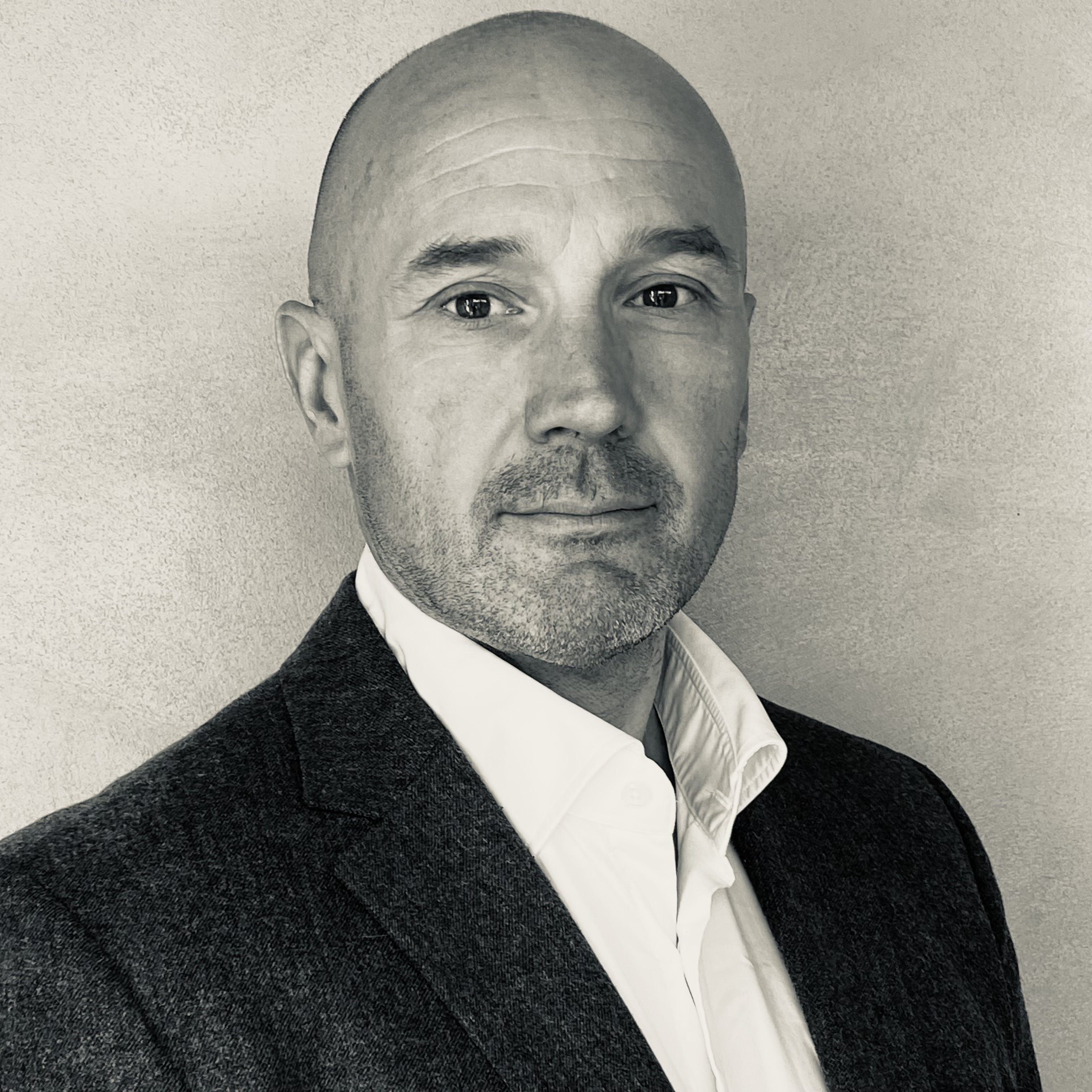
VP Services EMEA
Hi,
Sebastian Chedal referred me to sign up for this podcast. I’ve added my bio below.
Kind regards, Paul
Paul brings extensive expertise to his role as VP Services (EMEA) at Assessed Intelligence, with over a decade of operational leadership at Apple and more than 20 years driving business development for global technology and business services companies. His career pivot toward AI governance and risk management in 2023 underscores a commitment to making a meaningful impact at the intersection of technology and social sciences.
Since spring 2024, Paul has studied AI governance and policy at European universities and earned industry-leading certifications in risk management frameworks and EU AI Act and GDPR assurance. As a ForHumanity Fellow he contributes significantly to the development of independent audit frameworks aligned with global regulations and standards such as the EU AI Act, GDPR, NIST, and ISO.
Paul is passionate about exploring and addressing the geopolitical and societal impacts of emerging technologies, dedicated to minimizing risks and maximizing their benefits for society.
Entrepreneur in Training
Chidinma Judith Akunwa is a backend software engineer with a Bachelor of Engineering from Nnamdi Azikiwe University and a Nanodegree from Udacity. She has built her technical foundation across a range of professional experiences, including roles at I Swipe Technologies, TotalEnergies, and Divtag Automation, as well as a software engineering internship at HNG Internship. She is currently an Entrepreneur in Training (EIT) at the Mest Africa AI Startup Program, where she sits at the intersection of technology and innovation.
AI Entrepreneur in Training
Desmond Coffie is a Ghana-based fullstack developer turned AI builder, currently part of the MEST Africa AI Startup Program in Accra.
With a background in Chemical Engineering from Kwame Nkrumah University of Science and Technology, he brings a systems-driven approach to building technology. He previously founded Techne Solutions GH, where he developed platforms spanning e-commerce, agriculture, and business operations.
Today, his focus is on building intelligent systems that solve practical problems in emerging markets, as he transitions from developer to AI founder.